Features And Advantages
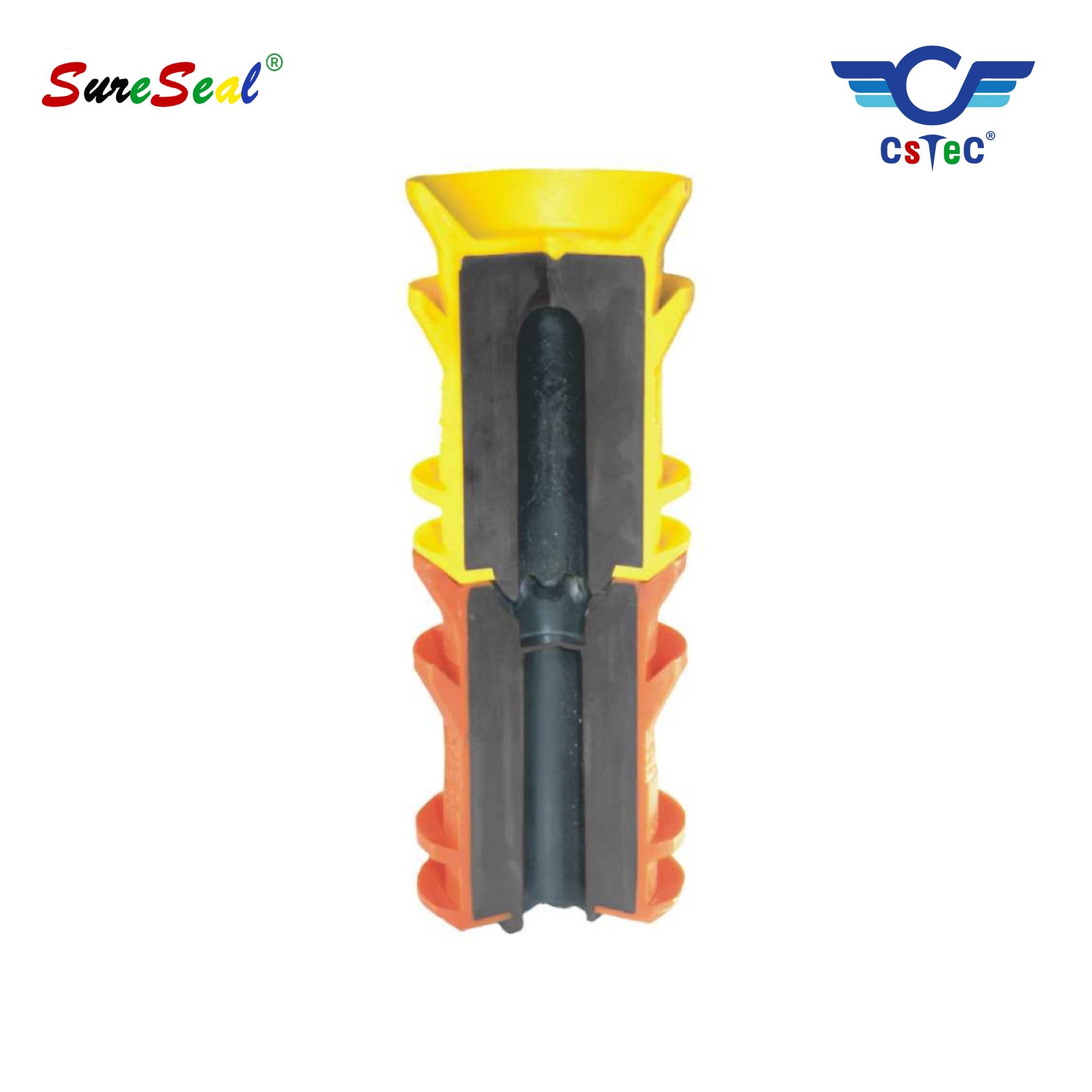
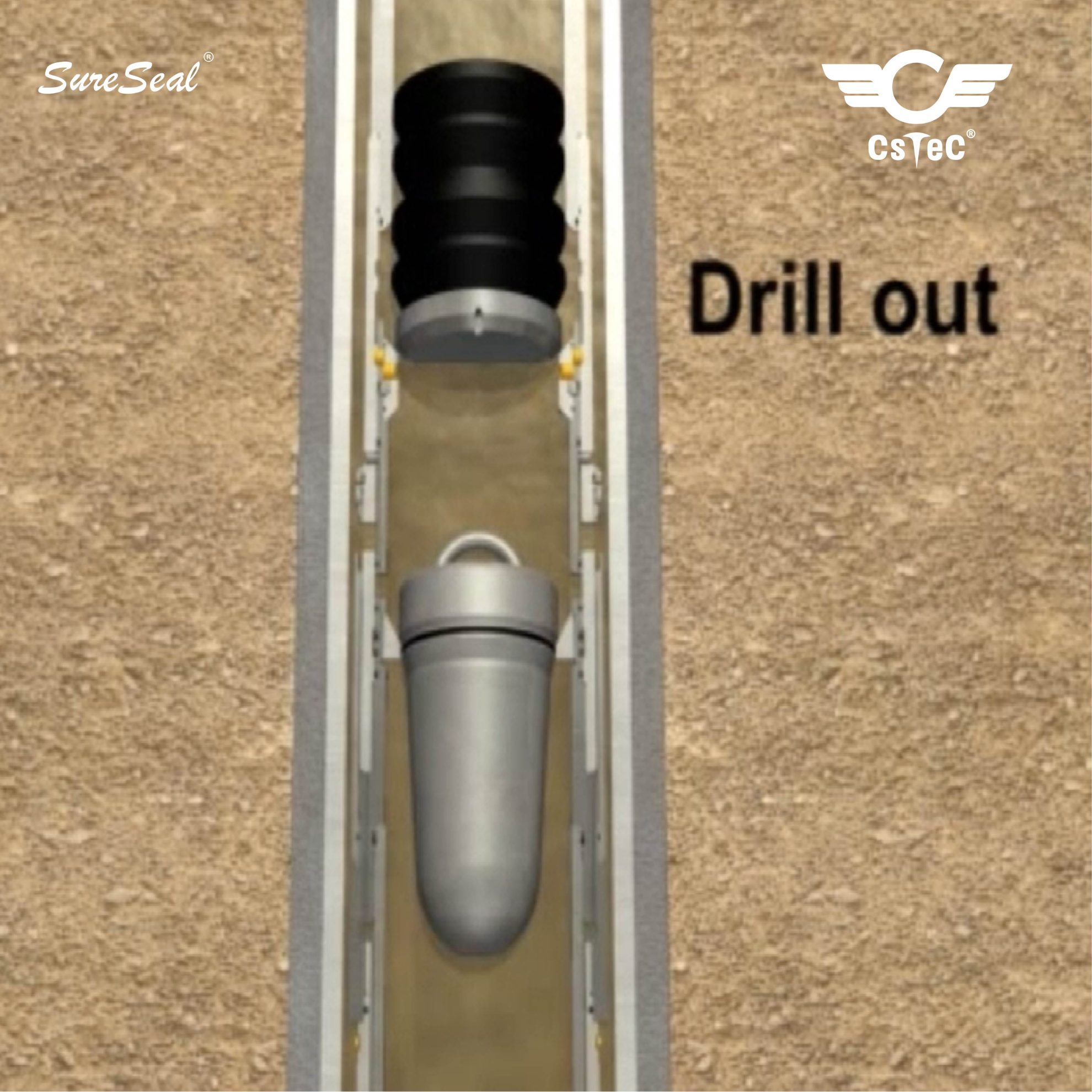
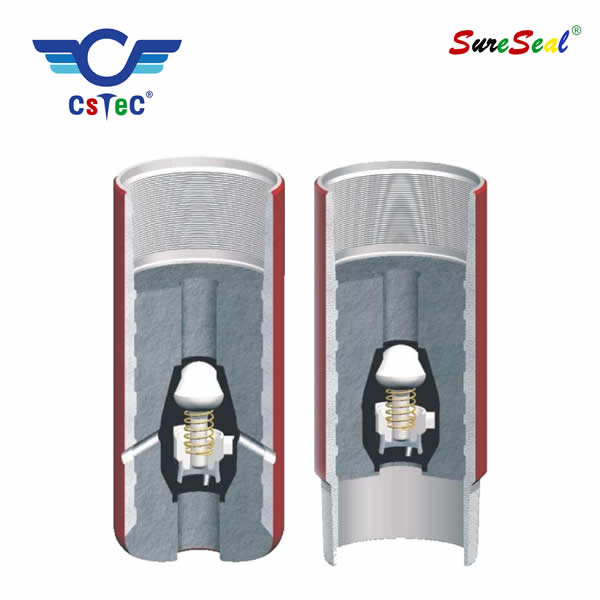
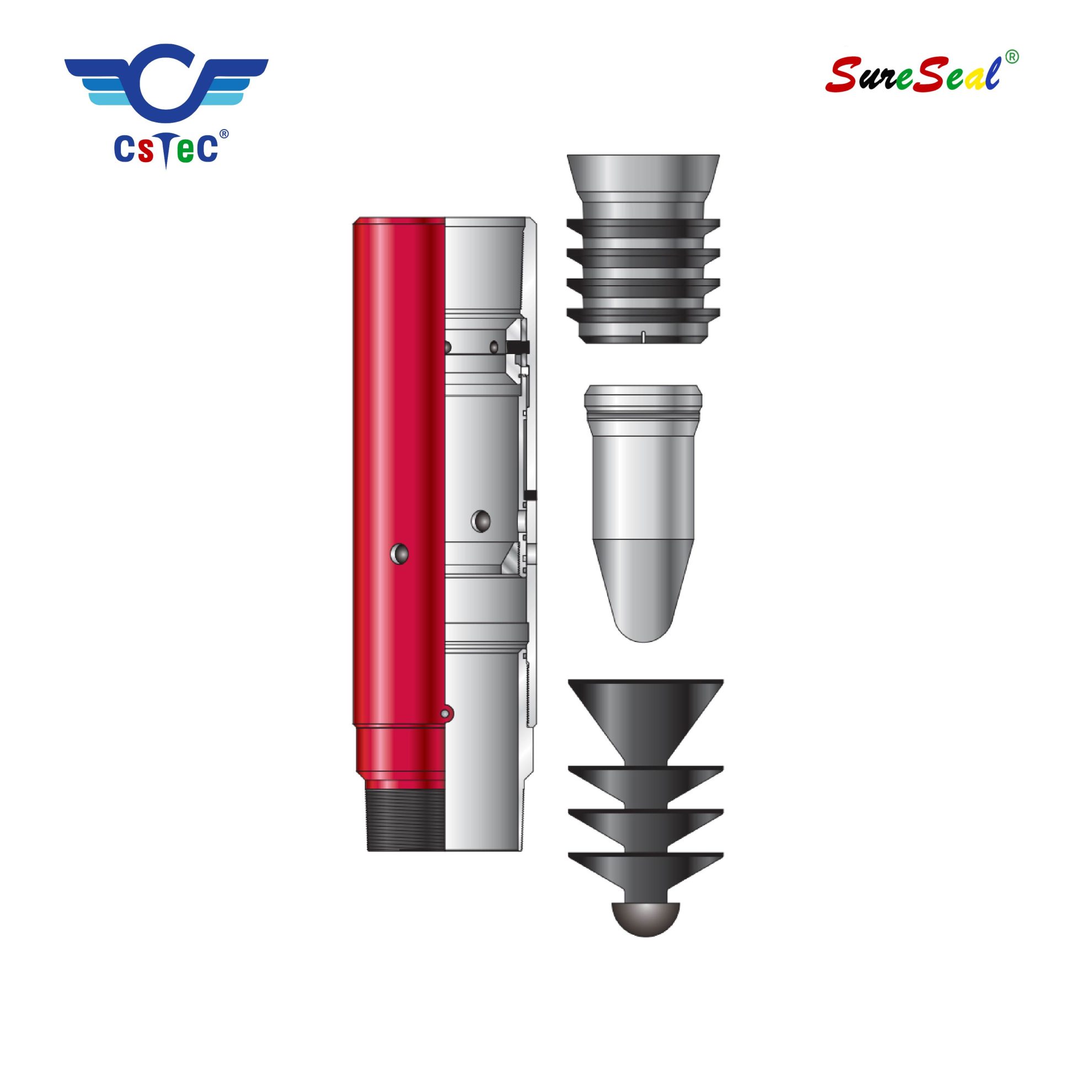
The float collar & shoe is equipped on the bottom of casing strings, preventing cement that placed in the annulus from flowing up into inner casing. It can provide floating force when casing operation to lessen the weight of the casing strings. It can also be a receptacle plate of cement plugs.
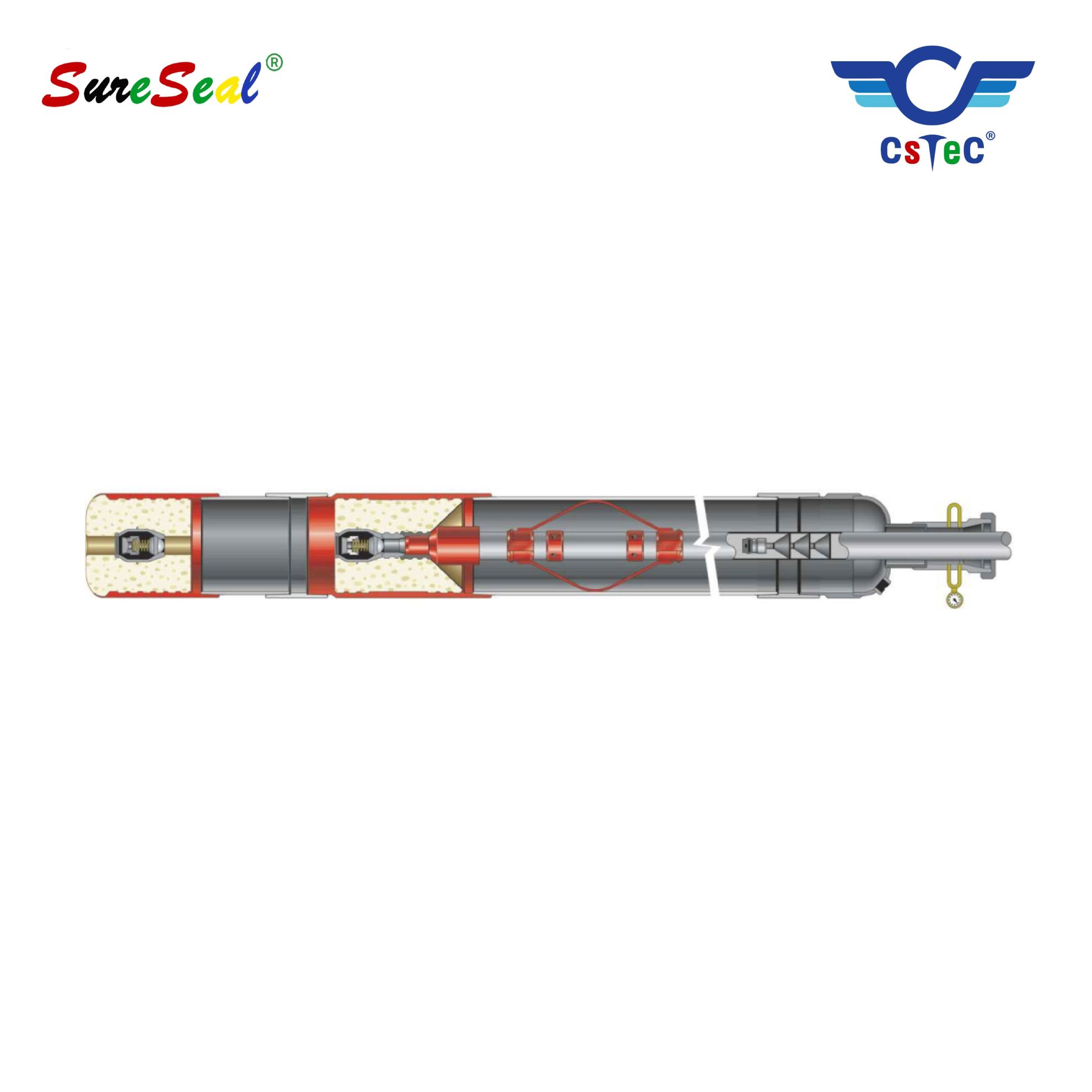
The stab-in equipment is designed for cementing large diameter casing strings through tubing or drill pipe. It virtually eliminates the problem of cement contamination, prevents drilling out large quantities of cement associated with the use of large size cementing plugs, and provides greater accuracy in slurry displacement. Also, large amounts of excess cement is not left on the sea floor, which makes it a more environmentally friendly system for cementing. The stab-in system provides the necessary tools to accomplish cementing using any one of several methods. The inner-string equipment is designed with the float shoe or collar having a tapered concrete top. The taper guides the drill pipe adapter into the shoe or collar receiver. Two systems are available for use in inner-string cementing. The stab-in and screw-in systems can be provided in virtually any size casing in which drill pipe can be run. With stab-in, no rotation is required to engage or disengage the tool from the inner-string adapter. The operator simply lowers the drill pipe with the stinger on the end into the receptacle and slacks off approximately 20,000 lbs (or whatever amount is necessary to offset pump off forces) to maintain a fluid tight connection. For inner-string cementing through a shoe, a double valve assembly is preferred. The screw-in system allows the inner-string adapter to connect the float equipment to the casing while reciprocating. This style is commonly used when running scab-liners. The screw-in stinger is engaged with left hand rotation and released with right hand rotation. Inner-string cementing is designed to save the operator rig time and cement costs, while improving cementing hydraulics.
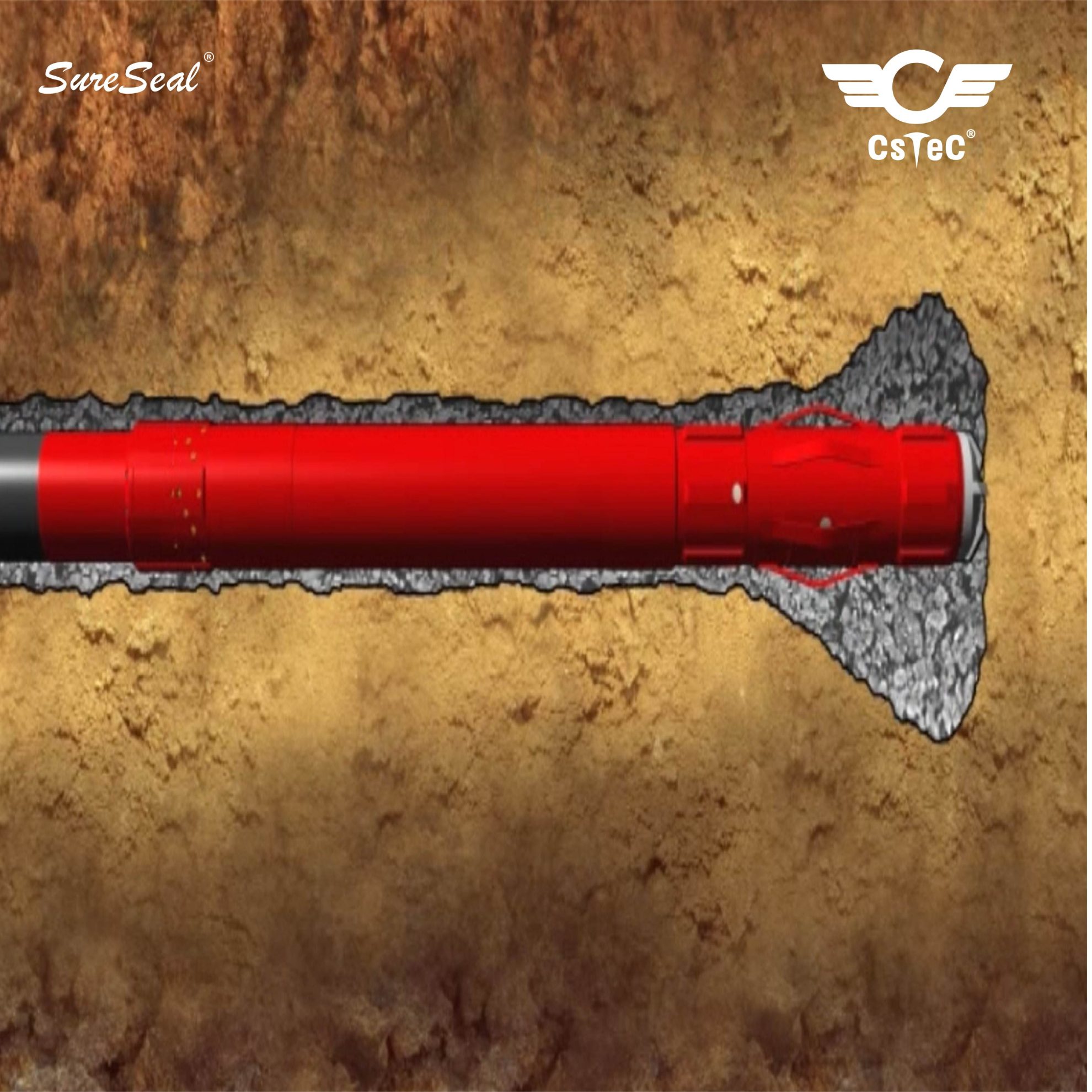
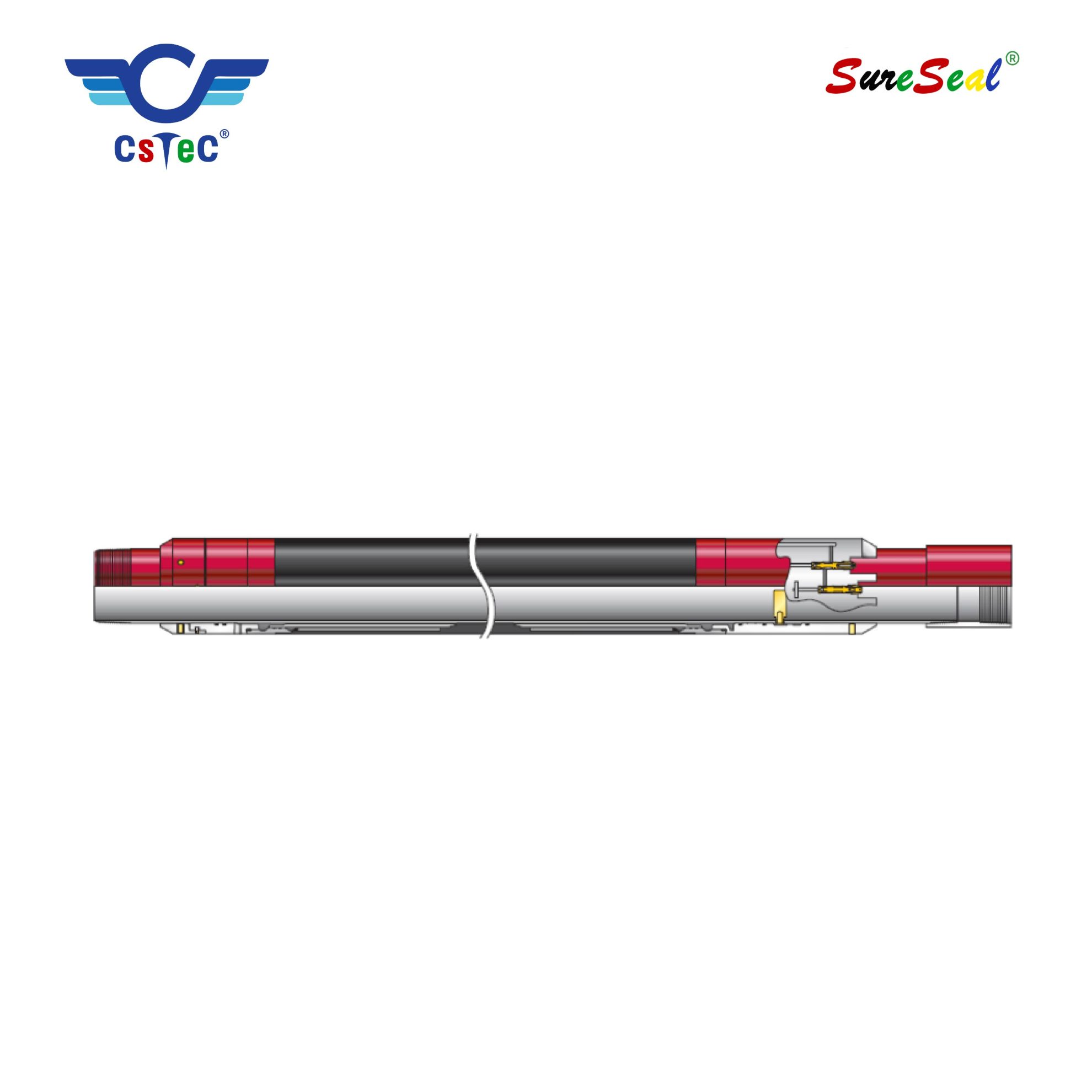
The Annulus casing packers (ACP) are run as part of the casing string in open or cased holes to provide consistent, reliable annular and zonal isolation protection and security. Their outstanding strength, expansion and centralization capability provides a positive, permanent high-pressure seal in the most severe borehole conditions. They can be inflated with mud, brine or cement, but cement is recommended for the optimal long-term seal.
Application