Features And Advantages
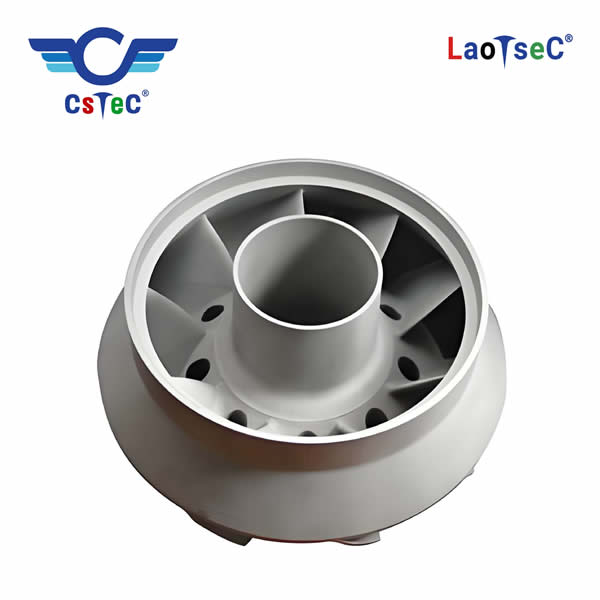
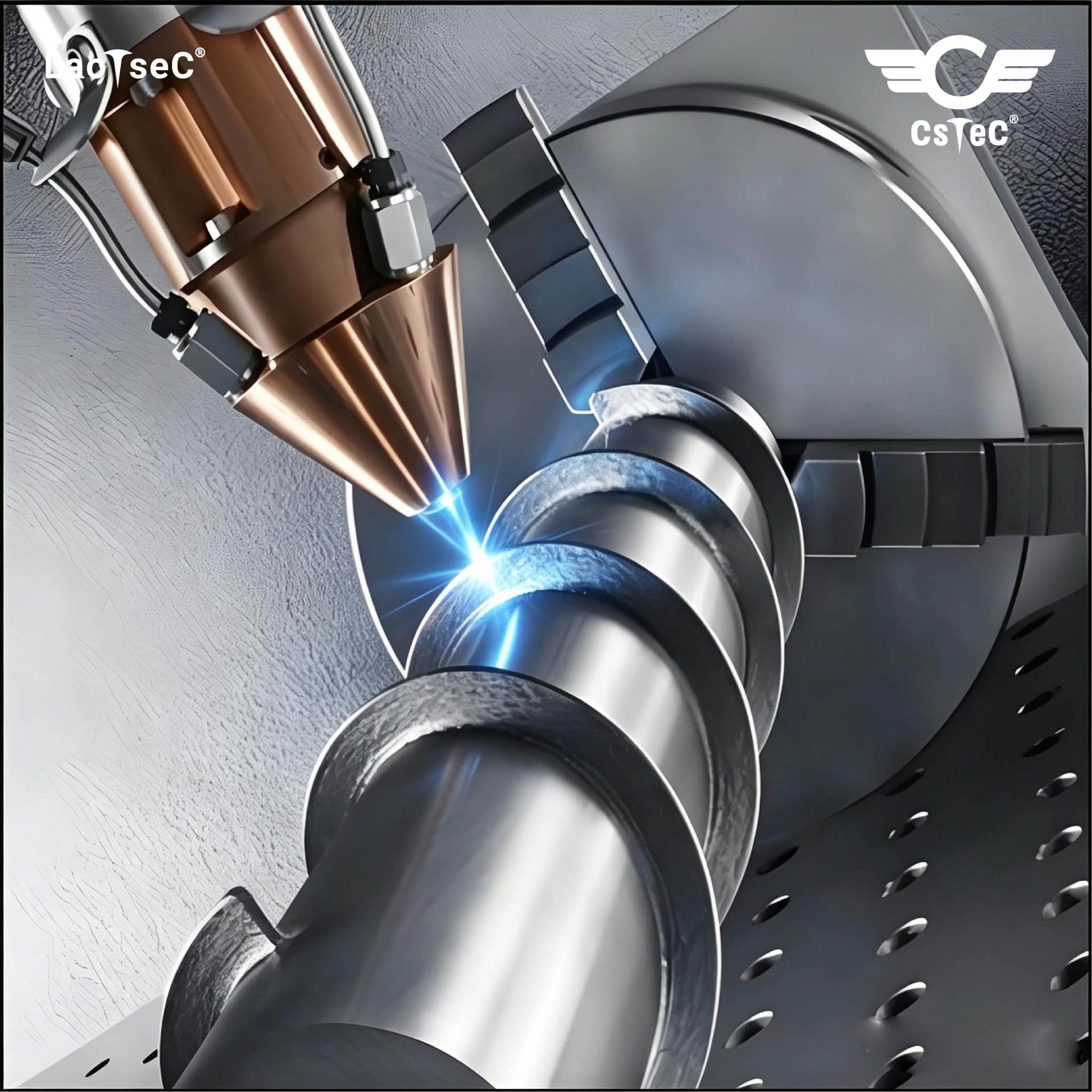
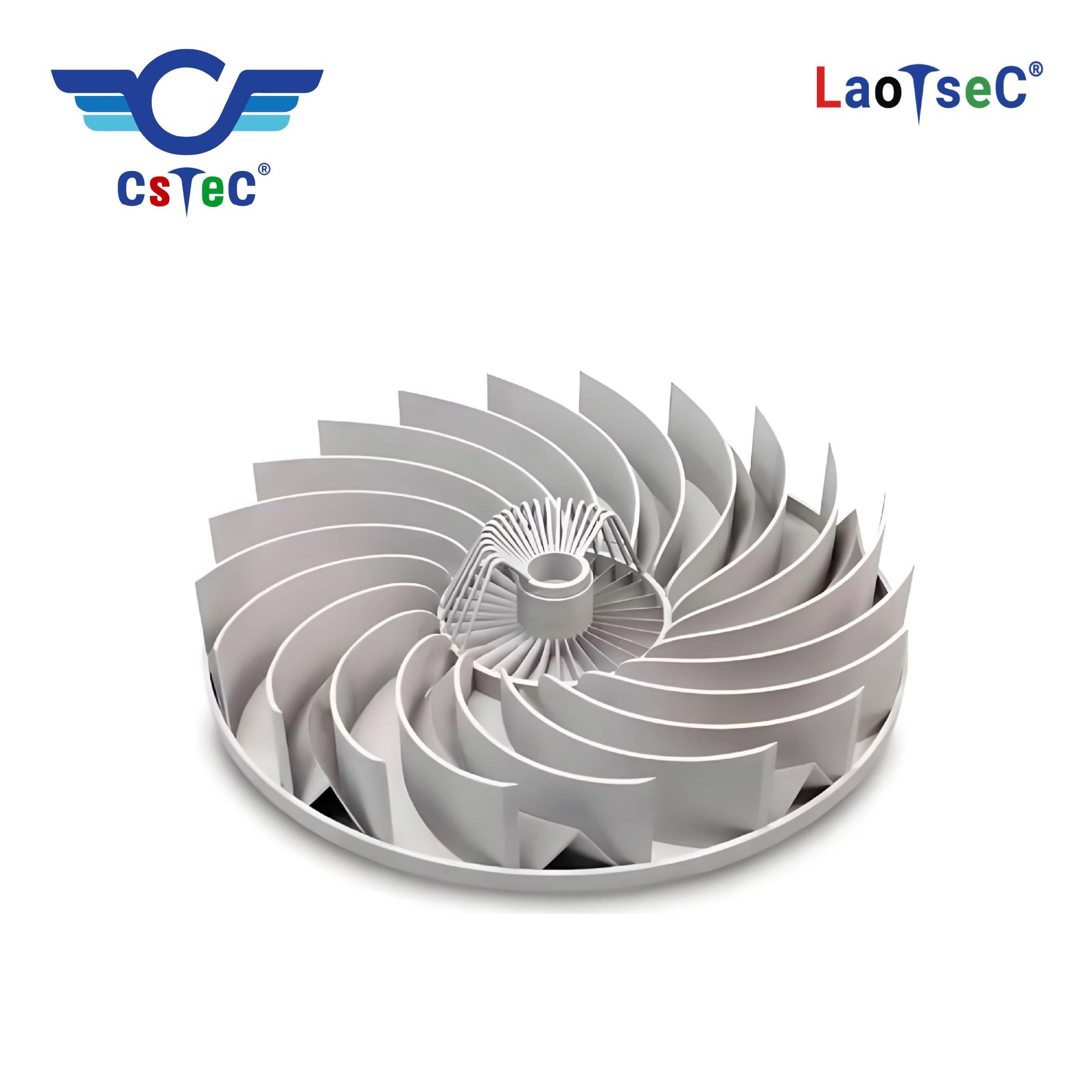
3D printing, also known as additive manufacturing, is an advanced manufacturing technology that builds physical three-dimensional objects layer by layer based on digital 3D model data. Unlike traditional subtractive manufacturing such as CNC milling and turning, which removes excess material from solid blanks, 3D printing constructs components by continuously stacking materials including metal powder, polymer resin, nylon and composite materials. This innovative manufacturing method greatly changes the traditional production logic and processing mode. 3D printing features prominent technical characteristics and industrial advantages. First, it has high structural freedom. It can produce complex internal cavities, lattice structures, integrated hollow parts and irregular geometries that are impossible or extremely costly to achieve through conventional machining. Second, it supports rapid prototyping and short lead time. The whole process from digital modeling to finished parts requires no mold opening, fixture making or complex tooling preparation, which significantly shortens product development cycles. Third, it achieves high material utilization. Since materials are stacked precisely according to the model, there is almost no cutting waste, greatly reducing material costs compared with traditional processing. Fourth, it enables customized and personalized manufacturing, suitable for small-batch, multi-variety and customized production scenarios. In addition, advanced metal 3D printing technologies such as SLM and EBM provide excellent mechanical properties, high density and stable structural strength for industrial-grade components.
Compared with traditional manufacturing processes, 3D printing brings remarkable industrial benefits. It effectively reduces production costs for complex parts, accelerates product iteration and improves manufacturing flexibility. It also realizes lightweight design by optimizing topological structures, helping equipment achieve energy-saving and high-efficiency performance. Meanwhile, additive manufacturing simplifies assembly procedures by integrating multiple scattered parts into one integral component, lowering assembly errors and failure risks.
Application